North End, Dubuque, Iowa — Homes for Sale 2026: Prices, Value Zones, Safety & Buyer Analytics
The North End is one of Dubuque’s most practical “value-and-stability” residential areas. In 2026 it draws first-time buyers, families who want predictable neighborhoods, and long-term owners looking for affordability without going fully into the downtown-entry segment. Compared with premium zones like South Grandview, the North End is typically more accessible in price, while offering a calmer residential feel than some high-activity central pockets. The result is a neighborhood that performs well for buyers who want balanced value rather than luxury branding or heavy renovation risk.
Where the North End Fits in Dubuque’s 2026 Market
Dubuque’s citywide market generally sits in the low-to-mid $200K range depending on metric and property type, while $/sq ft benchmarks often fall around $125–$140. The North End typically positions itself in the entry-to-mid band: more affordable than premium west/south neighborhoods, yet often stronger and more predictable than the lowest-price downtown/river-adjacent segments. This “middle value” positioning is one reason the area stays liquid—there is always a consistent buyer group shopping for manageable monthly payments.
The North End market is usually less about dramatic price spikes and more about steady demand. Homes that are clean, structurally sound, and mechanically updated tend to sell well because buyers are often trying to avoid large surprise repairs while still staying within an affordable budget.
Price Analytics and Estimated Cost per m²
A metric view helps compare neighborhoods more clearly. Using a realistic North End pricing band of $110–$135 per sq ft (typical of value-forward residential areas that are not in the city’s premium tier), the approximate conversion is:
- $110 – $135 per sq ft
- ≈ $1,184 – $1,454 per m² (1 m² = 10.7639 sq ft)
The lower end generally reflects smaller homes or properties needing cosmetic updates. The upper end is typically paid for homes with updated kitchens/baths, newer mechanical systems, and better-maintained street pockets. In 2026, many buyers prefer paying a bit more for “move-in ready” condition because repair costs and contractor timelines can be unpredictable.
| Indicator (2026) | North End | Dubuque Average |
|---|---|---|
| Market tier | Entry to mid (value-forward) | Mixed (entry to premium) |
| Estimated $/sq ft | ~$110 – $135 | ~$125 – $140 |
| Estimated $/m² | ~$1,184 – $1,454 | ~$1,345 – $1,507 |
| Housing profile | Established homes, moderate renovation needs | Mixed ages and styles |
| Best-fit buyer | First-time buyers & practical families | Mixed |
Housing Stock: What Buyers Typically Find
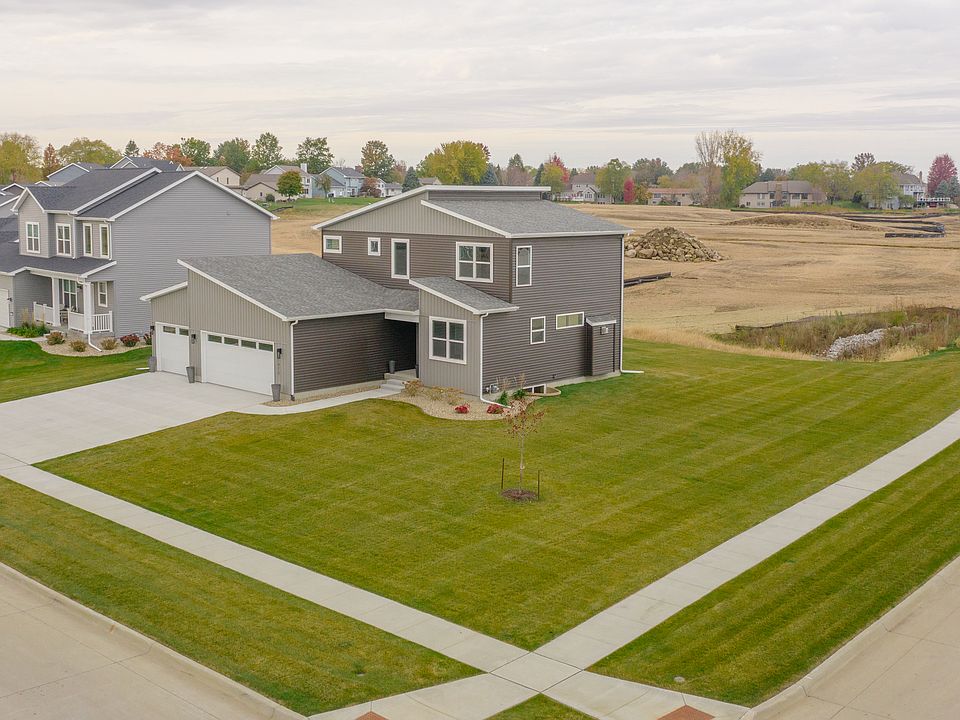
The North End is mostly composed of single-family homes with traditional Midwestern layouts. Many properties are older than the city’s newest suburban inventory, but the neighborhood often offers a good compromise: solid “bones,” manageable lot sizes, and the ability to modernize gradually. This is one reason the North End can be attractive to buyers who want to build equity: you can purchase at a reasonable price point, improve the property over time, and benefit from steady demand in the resale market.
Pricing in the North End is strongly influenced by the “mechanical package”: roof age, HVAC condition, electrical service, plumbing updates, and basement/foundation health. Homes with clean inspections can command a premium even if the interior finishes are simple, because buyers often prioritize predictability over perfect aesthetics.
Safety and Neighborhood Feel
Like most cities, safety perception varies by micro-location. The North End’s advantage is that it tends to feel more residential and less nightlife-driven than downtown zones. Buyers often experience a calmer atmosphere with fewer activity spikes tied to tourism or entertainment areas. The best approach is still block-level evaluation—street maintenance, lighting, traffic patterns, and owner occupancy signals often correlate with overall comfort.
Infrastructure and Daily Convenience
North End living is generally practical. The area provides straightforward access to city services, schools, healthcare, and daily shopping routes without requiring long commutes. For families and working professionals, this translates into an “easy routine”: short drives, less congestion, and predictable travel times across Dubuque.
What residents tend to value most:
- Convenient access to major roads and routine services
- Established residential streets with a stable neighborhood rhythm
- Affordability that still supports long-term ownership plans
Buyer Profile and Demand Drivers
The North End is often a “first upgrade” neighborhood: buyers who are priced out of premium areas or who simply prefer value choose the North End because it keeps monthly payments realistic while offering a more stable feel than the lowest-price segments. Demand is supported by broad affordability and the fact that many households prefer homeownership here over renting, especially when good-condition homes become available.
Investment Perspective: Practical Equity Growth
For investors, the North End can make sense as a moderate-risk, value-oriented strategy. Compared with downtown/river-adjacent entry zones, North End properties often require fewer major structural projects, which can reduce rehab volatility. The best investment plays tend to be light-to-moderate improvements—efficiency upgrades, cosmetic refreshes, and mechanical stabilization— rather than deep renovations that push the home beyond neighborhood pricing ceilings.
The most consistent “win” approach here is not aggressive flipping. It is buying a well-located, structurally sound home and benefiting from steady demand over a longer hold period.
2026 Outlook for the North End
Entering 2026, the North End remains positioned for stable performance. As buyers seek affordability and predictability, neighborhoods that balance price and livability tend to remain liquid even when markets slow. In practical terms, clean, well-maintained homes should continue selling reliably, while properties needing major work may require larger discounts or longer listing periods.
For buyers who want a straightforward, value-driven neighborhood in Dubuque—with a realistic entry price and a clear path to equity— the North End remains one of the city’s most sensible choices.